Everest Laina
Founder
I spent my life searching for a place from the outside. In the end I realized my looking was meant to return to the inside, to the nervous system I had before the world taught me to override it.
The Spatial Artist’s Perspective
I grew up in Hong Kong, a crowded, built-up city, and I was a child who noticed color, proportion, and how a space felt. A child doesn’t choose where she lives, so I imagined the place I wanted, quiet and open, with room to breathe. I kept building a little more of it in my head, and I never stopped.
That is what led me to interior design and multimedia production. The world I could not change was the one I most wanted to understand, and I wanted to learn how to show the way an artist sees.
In 2001 I crossed the ocean to find the real place. I went through Los Angeles, Arizona, New York, and later the Northwest, looking at houses and wondering about the lives inside them. New York amazed me with its mix of people and its art, which Hong Kong never had. In Seattle I loved Upper Queen Anne, small homes on a hill facing the water and the sky.
I loved all of it, and I never wanted to stay. I could admire a place the way you can enjoy graffiti without wanting it in your home. I looked at everything from ten thousand feet, and each time I told myself the next place might be the one. I did not understand yet that beauty was not what I was looking for.
The Nervous System Gardener’s Perspective
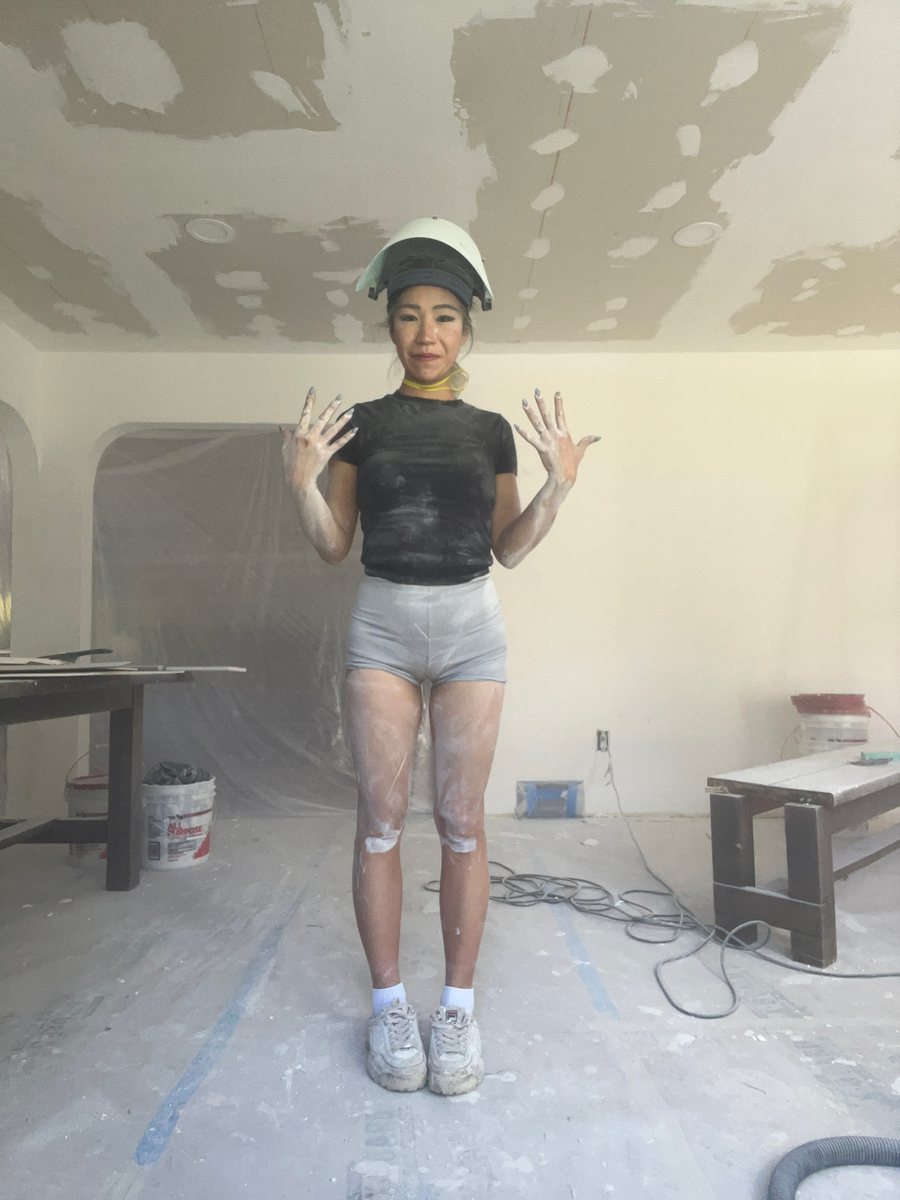
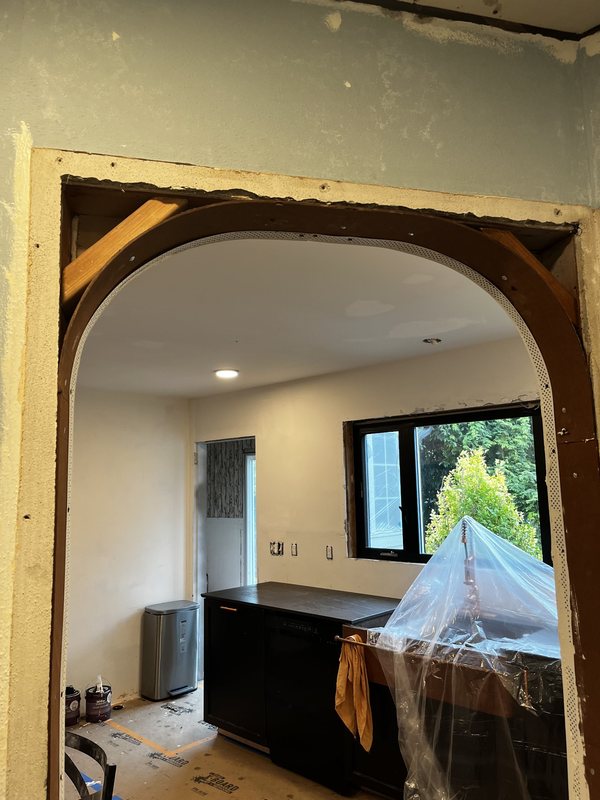
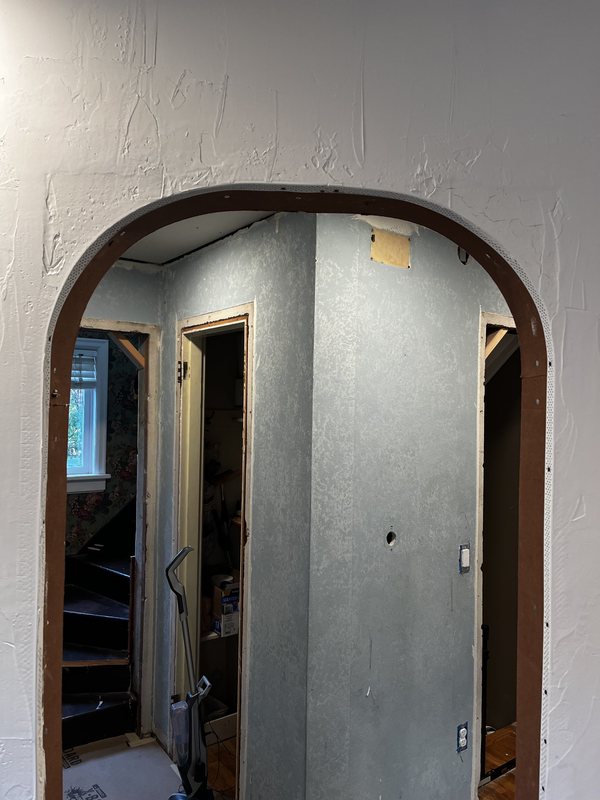
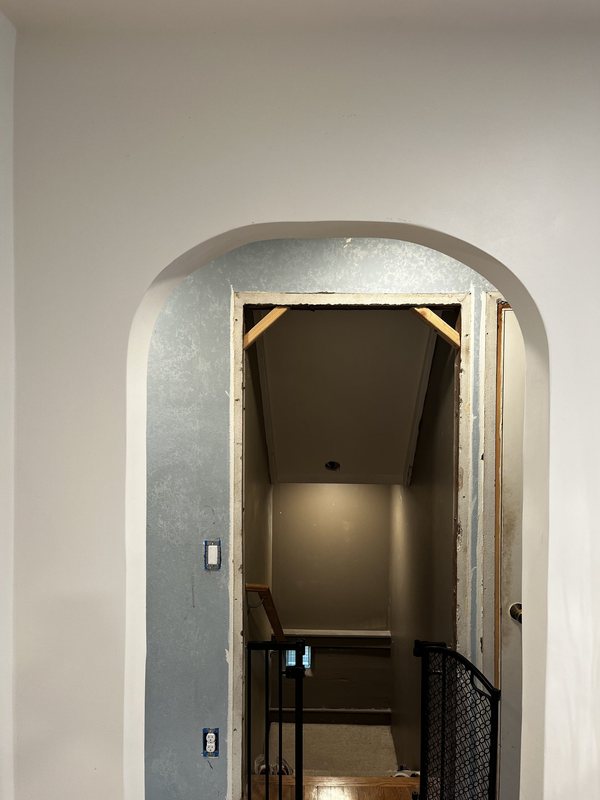
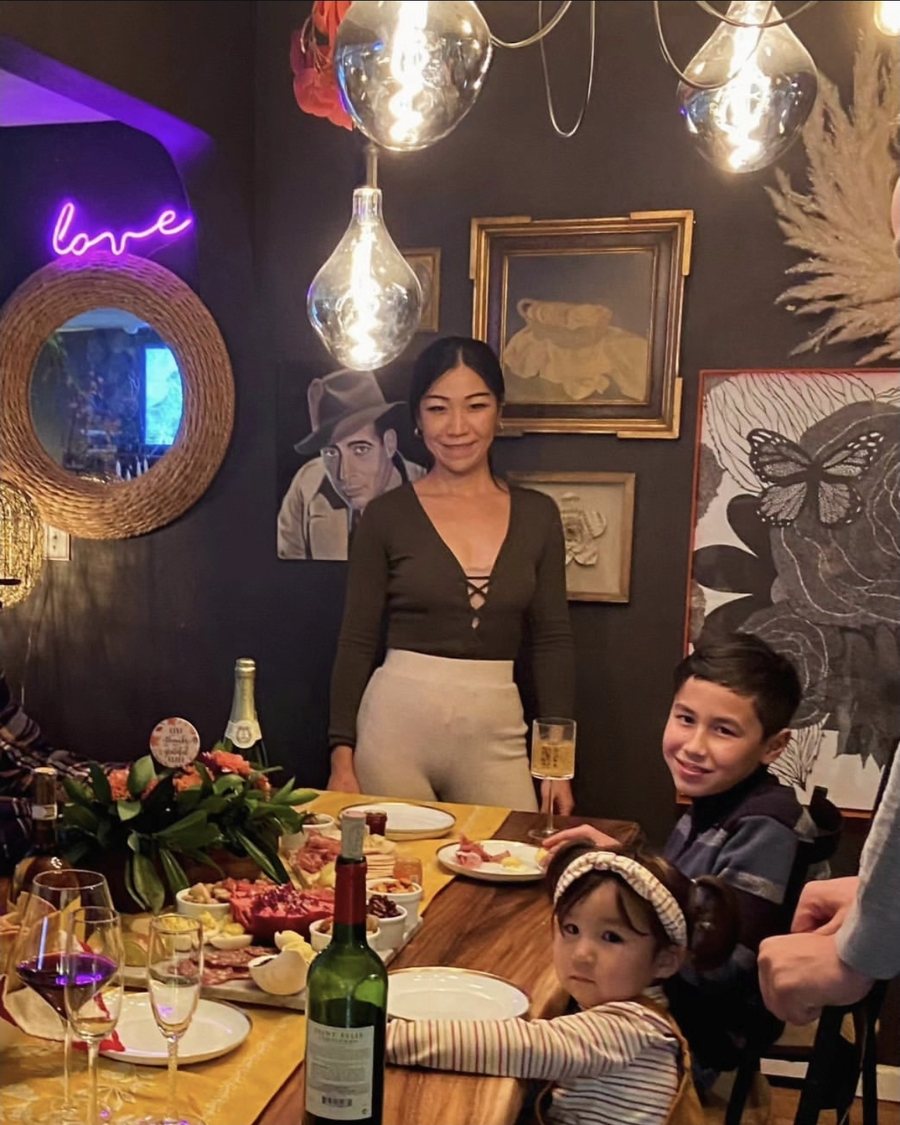
All that time I was building places for the people I loved. I renovated our homes and hosted every holiday while my children were growing up, because I wanted them to have a garden to live in. Each house I renovated went from demolition to sale.
Then I worked in autism care. Those children were so sensitive to every kind of sensory input, and I could see the world from their side. I recognized the discomfort. All my life I had adapted around it. Seeing it in them, I understood that it was my nervous system, and that it had been telling me what it needed.
That is when I understood why I had never landed. The beauty I saw was real, and none of it was what my nervous system needed. What it needed was very simple: a glass box in a courtyard, with a single tree in it. The glass keeps the tree clean and protected, and the sun and the water still reach it. I had loved that picture for years without knowing why. It is called salutogenic design. I had been looking for a shelter for my own nervous system all along, and I had been looking in the wrong direction. So I turned the looking around, and I built one.
That is why Origin Minds is clean, minimal, and open, and it is what the mark draws. 木 is a tree, which is a person. One stroke across its base makes 本, the root, which is also the word for origin. The root is the nervous system, the thing you were before the world taught you to override it, and it is where my looking returned. 川 is the stream that circles the root, the fluid sensory environment.
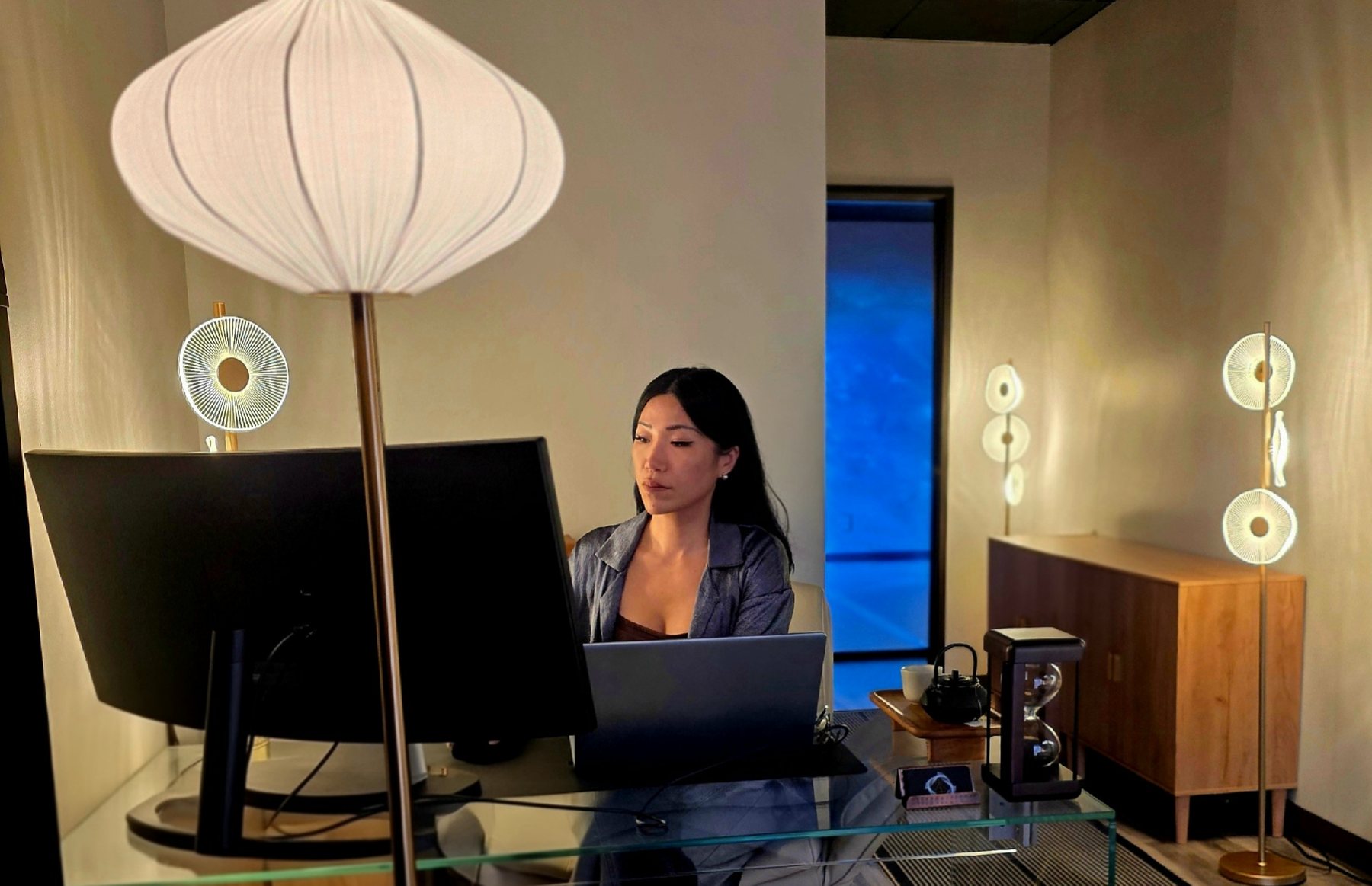
The studio is the glass. It is a chamber I built and treated to reduce environmental noise and relieve sensory overload in the nervous system, with a window that wraps the whole room. Most of the world asks the body to adapt to the environment. I wanted to invert that and build an environment that adapts to the person, and a dynamic sensory environment is fluid enough to do it. When you come in, I tune the low-frequency vibration that speaks directly to your cellular mechanoreceptors, and I shape the indirect light and the pace according to your autonomic state.
Water finds its channel by going back to it. Return to the root, reconnect through the water.
My Origin: Hong Kong and Environmental Design
Where I come from, environmental design is a top-down process. A structure is decided for an entire population, and the result is known a generation later. Nobody inside it can change it, so I learned to see it, and seeing the human flow within every environment became an instinct.
In Hong Kong, the environment and the infrastructure are the same thing. Almost everyone lives in a tower built for mass populations. A single-family house is rare. Land is sold to development companies, not to people. The structure was given, like water for a fish.
Studying environmental design and environmental psychology gave me the rationale: someone had drawn each of those structures, and every drawing was a decision about how a population would live.
One public housing block from the 1970s put every front door on an open lightwell, in sight of every other door. The intent was community. What happened was exposure, and the exposure became a culture of avoidance. The next generation of blocks turned the doors outward. Planned housing is an experiment run on a mass population, and at the time I had not seen the alternative.
Design at that scale, and the intent behind it, was what environmental design meant to me. It became a lens. I cannot walk into a structure and not see the human flow in it, whether or not anyone designed for it.
Seeing U.S. Infrastructure from the Outside
After WWII, the country solved a housing shortage, a commute, and a working family’s dinner, and the solutions became the way of life of the generations before and after us. Nobody driving forty minutes to work every day sees the commute as having once been the solution to a problem.
When I moved here, I could not go anywhere without a car. Where I come from, nobody inside a structure can change it, so I had learned to see it, and I went looking for the reasoning.
Soldiers came home in 1945 to a housing shortage, and the GI Bill made a new house cheaper to buy than an apartment was to rent. The only cheap land was farmland outside the cities, so the houses were built there. Those houses were far from everything, so the car became the commute, and the highway made forty minutes ordinary. Mothers entered the workforce, and dinner came out of the freezer.
Each was a good answer to a real problem. The shortage ended and the soldiers grew old, and the highway and the frozen dinner are still here, so ordinary that a house forty minutes from work is just where people live. I had grown up inside a process like this: a design decided for a population, with the result known a generation later.
The downstream effect is visible in fast food showing up as diabetes. Diabetes has a name and a test, so people responded: the organic food movement, then the farmers market. The causal chain of the environment’s influence on people is a deeper, more complicated process that is less visible. The highway and the house on farmland decide a way of life, the way of life reaches mental health first, and physical health comes downstream of that. Nothing in that chain shows up on a scale, and there is no single test for it, which is why it went unquestioned for decades. It is only now being questioned, in Portland’s 20-minute neighborhoods and in the Blue Zones Project in Fort Worth.
The Design Freedom: U.S. Home Renovation
In Hong Kong, someone else had decided your walls before you moved in. Owning a house here was the first time I could design an environment around a single life.
Where I come from, people are a flow, moved through a structure that was decided for them. I had never owned the ground under my feet or decided the walls around me, and neither had anyone I knew.
Here I could own a piece of land. I have renovated homes, each from demolition to a sale at a profit. What I learned from them was that the market pays for the human experience inside a house. Where I come from, that experience was an afterthought to the structure. Here it was the thing that decided the price. Nothing was fixed before I started, and for the first time I could decide what an environment would become, and decide it around the people who would live in it.
That was the fork. The first time I had the choice, I chose the people over the structure.
Learning Sensory Processing in Practice
Everything I knew about environments worked from the outside in. Trying to understand what a dysregulated child was going through turned my perspective inside out, and it has been inside out since. My work in sensory environmental design began there.
My son has always had sensory issues. As a small child he would sit beside anything with a wheel and spin it for an hour. Occupational therapy was my first encounter with sensory processing as a field. Nothing about the playground explained the spinning. The explanation was inside him.
Years later I worked in autism services, in both direct therapy and intake operations. Most of the children were there because of behavior, and the behavior was a response to distress that no one around them could understand. Arranging the environment did not work on a child that dysregulated, so I studied sensory processing to find out why.
Every child was seeking something specific: the movement of a swing, the pressure of a weighted vest, something to chew or crash into. The same input that pulled a child out of a task was the most powerful reward in the session, because the child was regulating through it.
The environment that mattered was the one coming in through their senses, and for most of these children no one had gone in to look. To run a session I had to arrange the environment for one child and change it as the child changed, because the input that regulated a child in one session could dysregulate them in the next. That was my first work with the sensory layer of an environment, and the first thing it taught me was that the sensory layer is fluid. Everything I had done before began with the structure. From this point on, I began with the person.
Applying Dynamic Design to Three Growing Human Beings
Every design has an organizing principle. A Hong Kong tower is organized around operational flow, drawn once. A house here is organized around a family, and it is finished the day it is built. My practice began when I started designing for a developing human being, and design became a dynamic process.
Everything I had designed before 2020 was finished before anyone lived in it. The towers were drawn once for a mass population. The houses I renovated were designed around a family, but the design was complete on the day of sale. The drawing came first and the people came after.
When the schools closed in 2020, I composed the days at home around two developing human beings: soft light in the morning, breakfast ready before they came down, household work folded into the school day. Whether it was right showed in how they came down the stairs, and the next day changed because of what I saw. They started looking forward to getting up, and both went back to school working above grade level.
Later, in autism care, I found the same principle in antecedent procedures: arrange the environment around a target behavior. It was the tower at the scale of one child.
Where I come from, the result of a design is known a generation later. At home it was in front of me the same morning, and I could change the design by the afternoon. That is what dynamic design means. An environment organized around a developing human being cannot be finished, because the human being is not. I learned that raising and teaching my own children, and the lesson was never about children. An adult’s nervous system changes through a day the same way, and the adults it changes most are the ones serving everyone else. What I learned at home I now build for adults who carry the world on their shoulders.
Salutogenesis: Life as a River
Everyone is already in the river. Pathogenesis asks how to pull a person out. Salutogenesis asks what lets a person swim. I had been working on the second question for years before I found the word for it.
Aaron Antonovsky, who named salutogenesis, used a river to explain it. Everyone is in the river of life, and nobody is standing on the bank. The medical question is why a person is drowning and how to pull them out, and it is the right question when someone is drowning. The salutogenic question is what lets a person swim.
When I found that image, everything I had done fit inside it. The towers were an engineered river, the current drawn to move a mass population in order. The country after WWII was the same kind of river, so familiar that the people in it do not feel the current. The houses I renovated were a stretch of water shaped for one family. In all of it, I was standing on the bank.
In 2020, with my own children, I stepped in and changed the water every morning by what I saw. In autism care I was in the water with a child, teaching them to swim, and I understood the river from the swimmer’s side. The water moves, the swimmer changes, and a design that does not move with them is finished the day it is built.
You cannot design the current away, and the goal was never to lift a person out of it. The goal is to strengthen a person’s capacity to live inside it, by composing the conditions around them so their own system can do the work. I had been doing that in one house. Within an established framework, the work that began domestically extends into a practice beyond the home.
Seeing Post-2020 Digital Infrastructure from the Inside
In 2020, the screen stopped being a convenience and became the infrastructure. The lockdown was temporary. The digital infrastructure has become permanent. It is the same pattern as the years after WWII: a design built in response to a problem becomes the way of living of a whole civilization.
The post-WWII infrastructure was an answer to an emergency. The highway, the suburb, and the supermarket solved a housing shortage. The emergency passed within a few years and the answer stayed, because a suburb cannot be unbuilt. The highway act passed in 1956, and the first public-health account of car dependence was published in 2002.
In 2020 I watched the same thing happen in weeks. The lockdowns were temporary and the digital environment was the response. There have been no lockdowns for years, and the infrastructure built for them has expanded, and with AI it now adapts itself to each person faster than any physical environment could.
Kids still meet in person. Staying friends is the part that happens online. The bus still runs; it takes two hours. Neither infrastructure removed the alternative. It made the alternative harder.
There is one difference. A highway takes away the walking. The digital platform takes away the walking and the physical interaction, and reaches a person only through the eyes and the ears. Neither was built around how a body develops and works.
The television dinner did not make anyone sick that night. This time it is not food, nutrition, and diabetes. Ten years ago, sensory overload was mostly discussed as part of a diagnosis. Now it is every day, and people are looking for ways to regulate themselves. The things that were therapy tools are on the checkout counter. A pop it sold seven hundred thousand units in 2019. Two years later it sold seven million.
Tracing the Cause of Post-2020 Burnout
Information on a digital platform travels at the speed of a machine. A person processes it at the speed of a body.
Renting a movie used to be an event. You chose one, looked forward to it, and watched it to the end even when it was bad. Movie night in my house now begins with twenty minutes through hundreds of titles and ends with nobody wanting any of them. The one person who sits through a whole film is my six-year-old, who has never owned a device.
I do not use social media, so each time I step back into it I see it from the outside. The clips are shorter than last time and come faster. The people around me were tired from being reachable all day, and the words they used were overthinking, burnout, survival mode.
I went looking for what was happening to them, and predictive processing is what explained it. Every piece of information that arrives opens a question, and the question stays open until something answers it.
The permission slip used to be in the backpack. I knew it was there when I opened the bag. Now it is in an app, with the lunch balance, the sports schedule, the district announcement, and the teacher’s message, and the only way to know which one needed me is to open all of them. The bank alert is in with the promotions. The verification code is in with the spam. The text is spam, and you know it before you look, and you look.
Nothing in an inbox can be ranked until it has been opened and read. By the time one thing is finished, six more are waiting.
“Sorry for the late reply” arrives six days later. “No worries” comes three days after that. “We should get together” comes after that, and nobody sets a date. On the other end, the message sat on read, and the person who sent it spent those six days working out what that meant.
The mail used to come once, and when the stack was gone it was gone. You could see how much was left. The neighbor knocked, and you were home or you were not. Whatever came in, it arrived at the speed a body moves, and answering it meant getting up. A feed sends a new one every few seconds, and a notification arrives before the last one is closed. The body is tired at the end of it, and nothing has closed.
Choosing the Individual-Oriented Approach: Specializing in Sensory Experience
Salutogenesis describes life as a river, and everyone is swimming in it. I was once part of a very large current, a mass population with no say over our immediate environment. It took me a lifetime to learn and earn a skill. That skill is now the creation of micro-conditions that support people in becoming stronger swimmers in the river of life.
After 2020, the exhaustion I could see was the size of a civilization, and design at that scale was the only kind I had ever known. I chose to go the other way and build for one person at a time. Where I come from, nobody living inside an environment had any say over it. Origin Minds exists to give that say back to one person.
I already knew it could work at that size. A home I redesigned as the developing human beings inside it grew. A session in autism care where I could understand a child only through what the environment felt like through their senses. I had learned that I could compose the river for one swimmer at a time, and I now extend it to adults who carry the world on their shoulders.
A structure is drawn once, and everyone inside it lives with the drawing. Light, sound, vibration, and pace can change while a person is still inside, and they are the points at which the environment reaches the nervous system. I chose sensory experience as my medium because it is the one layer that can respond to the person in the same hour.
The studio is that choice made physical. I made each decision through the senses: the temperature of the light, the weight of the fabric, the sound at the level of a lying ear, the texture of the floor under a bare foot, the length of a session and the order of what happens in it. I tested each on my own senses before anyone else came in.
None of it is fixed. The light can warm or dim, the sound can change in kind from one person to the next, and the sequence of a session changes with the state a person walks in with. An autonomic state shifts through a day between activation and rest, and the space shifts with it.
Every one of us swims in the river and adapts to it all our lives. I built one unit of environment around one person that adapts to them instead.