Learn more
What is vibroacoustic therapy?
Vibroacoustic Therapy (VAT) is a therapeutic method that uses low-frequency, sinusoidal sound waves to transmit vibration directly into the body through specialized transducers. In this approach, the sine wave itself is the therapeutic stimulus.
Today, VAT is a recognized complementary therapeutic modality with a growing body of clinical experience and scientific research. Its defined methodology and decades of development provide a foundation for practitioners using sound and vibration as therapeutic tools.
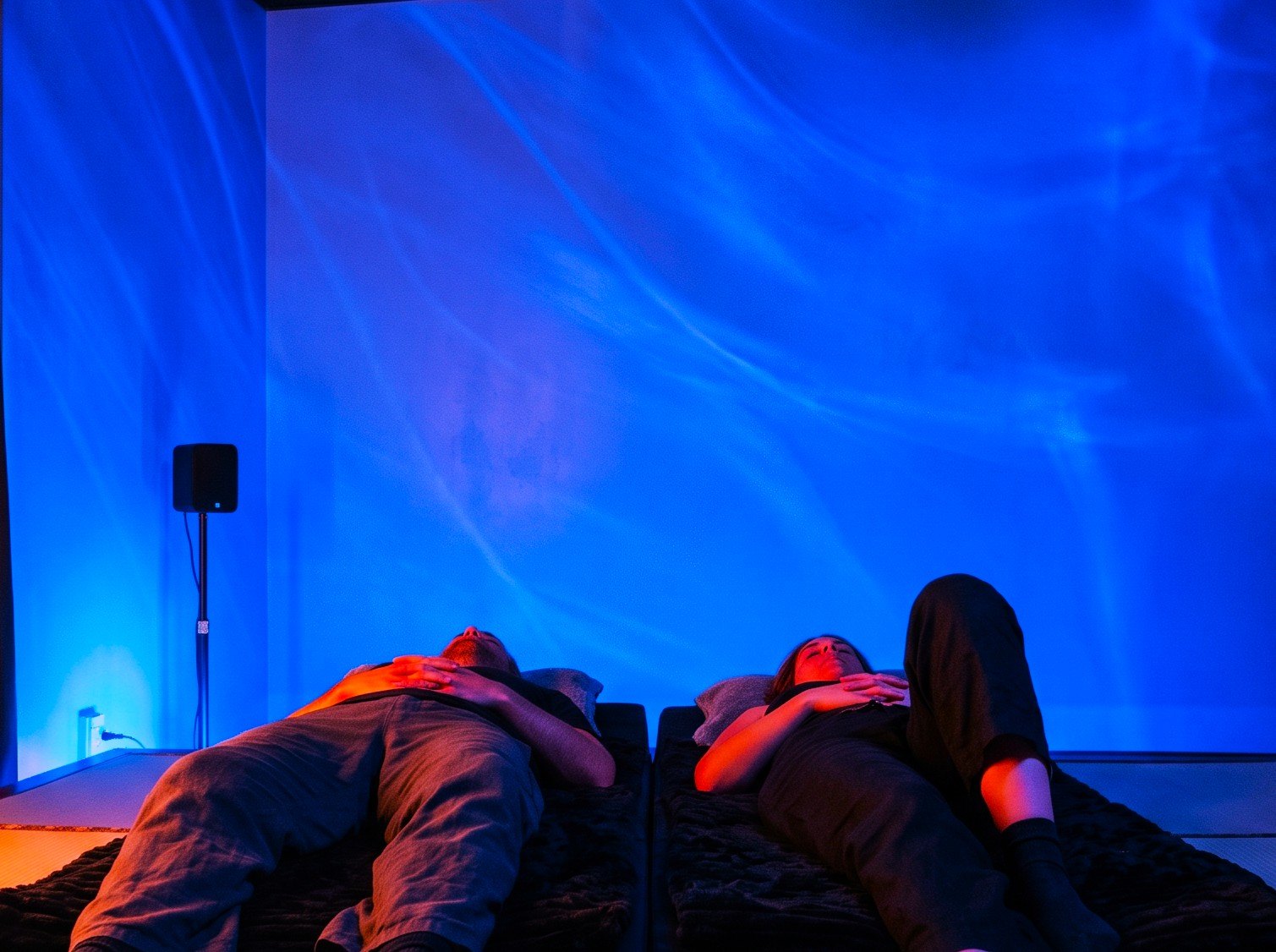
The sound is converted by transducers into mechanical vibration, allowing frequencies to be experienced directly through the body. Frequency, intensity, modulation, and duration can be precisely controlled. VAT has been used and studied in relation to relaxation, stress regulation, pain, physical rehabilitation, and neurological function.
Sessions at Origin Minds™Origin Minds™ Sensory Compositiona proprietary salutogenic design framework → read are conducted by a certified vibroacoustic therapy practitioner.
Development of vibroacoustic therapy
VAT emerged from the pioneering work of Norwegian educator and therapist Olav Skille in the 1970s and early 1980s. His development of the "Music Bath" and subsequent work established the foundations of the method, including the use of low-frequency sine waves and controlled amplitude modulation.
→ The history of vibroacoustic therapy
→ Olav Skille and vibroacoustic therapy research
→ Research literature on vibroacoustic therapy
Why couple with the sensory space
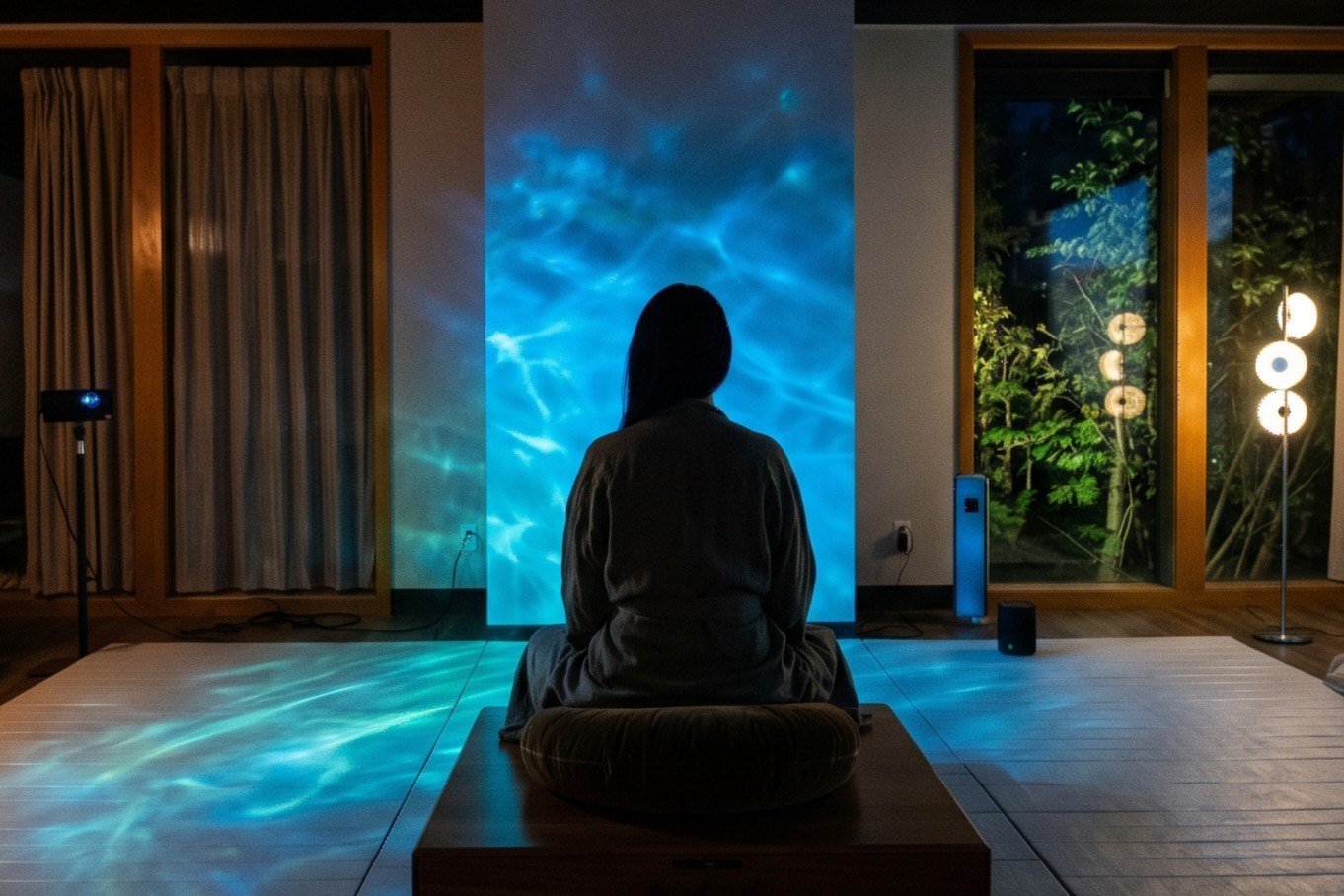
Vibration is never experienced in isolation. Without a composed environment, light, sound, temperature, movement, texture, and space can compete with the signal.
A composed sensory space does not add sensation for its own sake or remove it to create deprivation. It tunes each condition around the vibration, so the environment does not interrupt the experience.
The goal is not sensory intensity or sensory deprivation. It is an adult sensory sanctuary where background glare, noise, and clutter are removed so tactile sound remains the only signal your body has to follow.
The environment is part of the therapy. It creates the conditions for attention to settle into the body and stay there.